

Tourism Statistics in La Union
Tourist Data Statistic
Circuit

Sudipen, La Union
Sudipen is the northernmost town of the Province of La Union separated by the Amburayan River from the Province of Ilocos Sur. According to a story which happened during the Spanish period, the town got its name when a group of Spanish soldiers reached barrio Nagpanaoan, now called Old Central
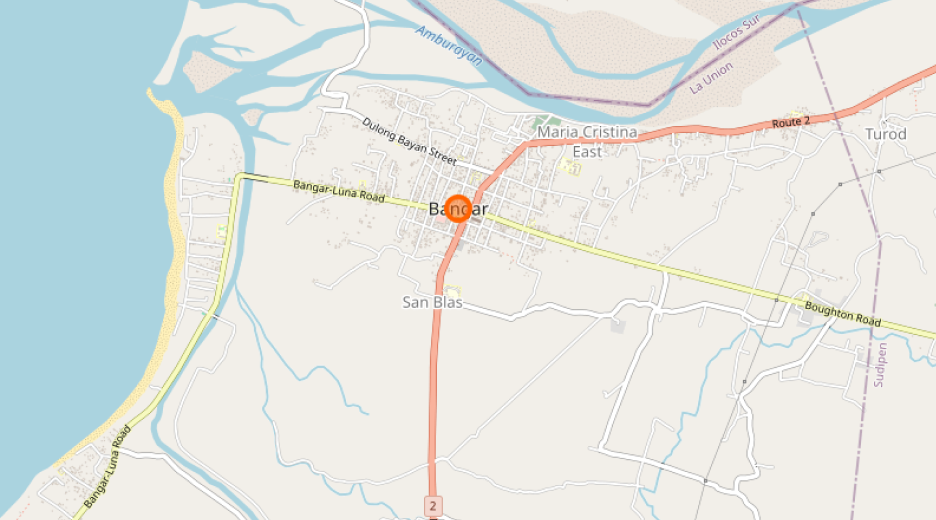
Bangar, La Union
Bangar is famous for its loom-weaving industry. The big bulk of orders for placemats, towels, draperies, curtains, blankets and even bathrobes from all over the country and even abroad speaks well of the quality of Bangar woven products. Agriculture, however, still remains the main source of income for the people of Bangar.
Luna, La Union
Luna is known for its picturesque pebble beaches, particularly in Nalvo Sur and Darigayos, and its rich historical and cultural heritage. Formerly called Namacpacan, which means "one who feeds" in Ilocano, the town served as a resting place for travelers during the Spanish colonial period. It was renamed in 1906 to honor the Luna brothers, General Antonio Luna and painter Juan Luna, whose mother was from this area.
Balaoan, La Union
Balaoan is historically significant and offers a blend of coastal beauty and agricultural prosperity. It is one of the oldest municipalities in La Union, founded in 1704. The town was an important trading post during the Spanish era, known for the exchange of Igorot gold.
Santol, La Union
Nestled in the mountainous regions of La Union, Santol is known for its cool climate, scenic landscapes, and agricultural activities. The town is named after the Santol tree, which is abundant in the area.
Circuit
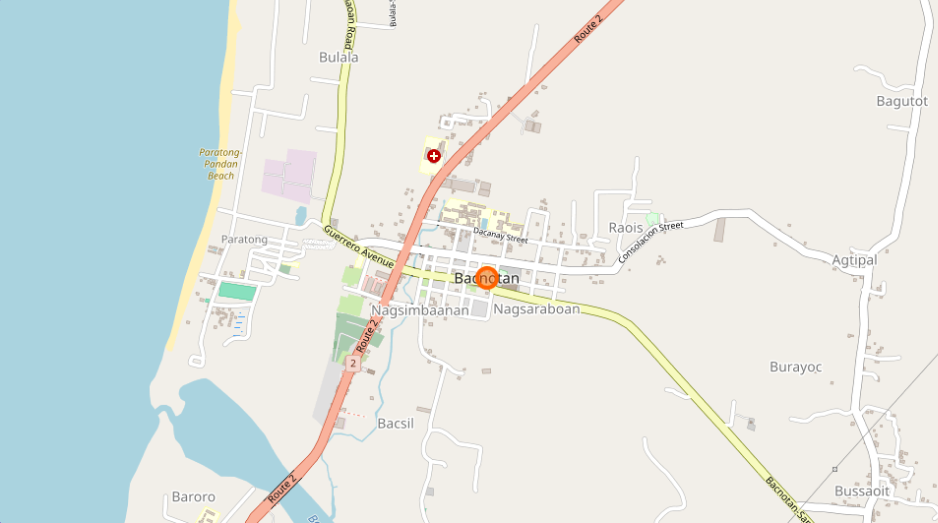
Bacnotan, La Union
The town of Bacnotan was formally founded in 1599 as part of Ilocos Sur. In 1785, during the administration of then Governor-General Jose Basco, Bacnotan became a part of Pangasinan. When La Union was created in 1850, Bacnotan was one of the original twelve towns that made up the province.
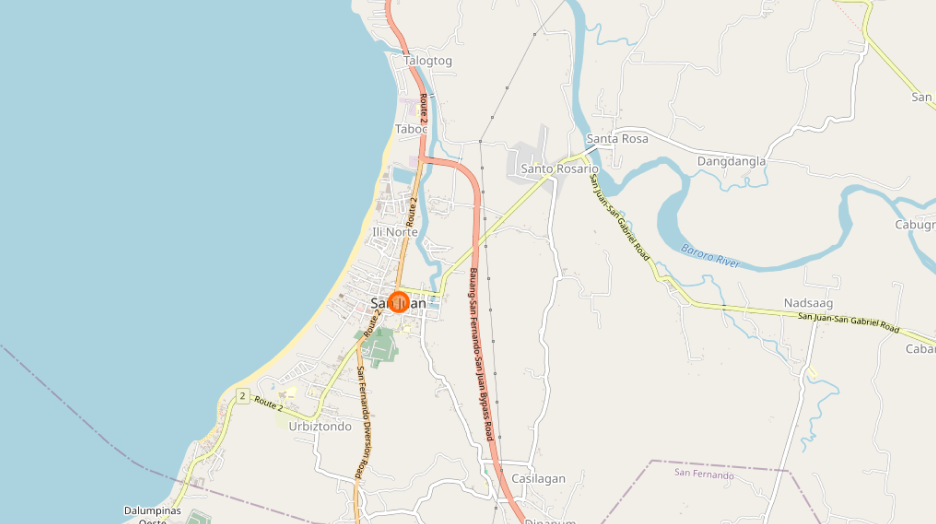
San Juan, La Union
At present, San Juan has a total area of 5,186 hectares and also holds a four -kilometer shoreline facing the China Sea. It is famous for its surfing area along the beaches of Urbiztondo with waves suitable for beginner and intermediate surfers. Because of this, the town has been a venue for local and international surfing competitions.
San Fernando, La Union
San Fernando serves as the administrative and economic center of La Union. As the capital city, it is home to various educational institutions, commercial establishments, and government offices. The city boasts several tourist attractions, such as the Poro Point Lighthouse, Ma-Cho Temple, and multiple beach resorts.
San Gabriel, La Union
San Gabriel is known for its natural beauty and adventure tourism. It features popular destinations like Tangadan Falls, which attracts nature lovers and thrill-seekers. The town's mountainous terrain makes it an ideal spot for hiking and other outdoor activities.
Circuit
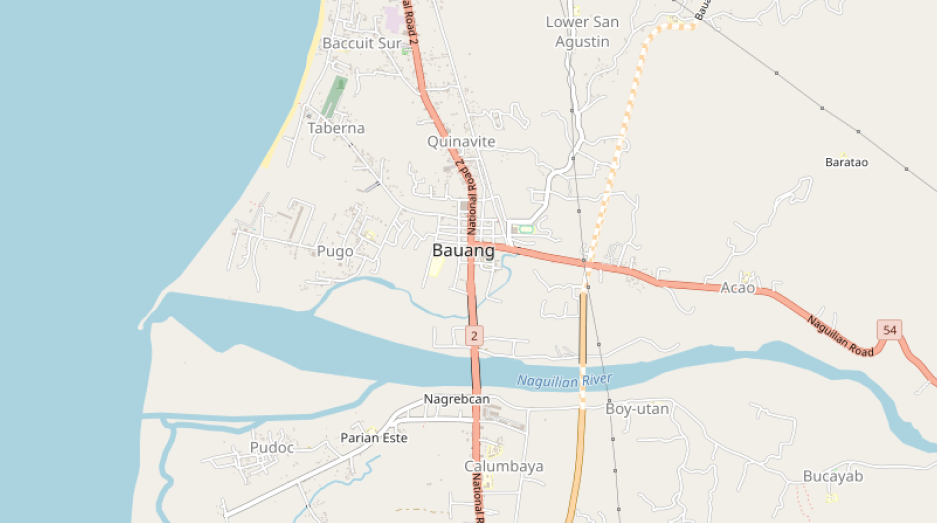
Bauang, La Union
In the early 70’s Bauang earned the appellation as the “Beach Capital of the Philippines” because of the calm waters, fine sand and languidly swaying coconut trees along the shorelines of Baccuit Sur to Pagdalagan Sur. A newly discovered “Research Reef” is a favorite dive spot among local and foreign scuba divers.
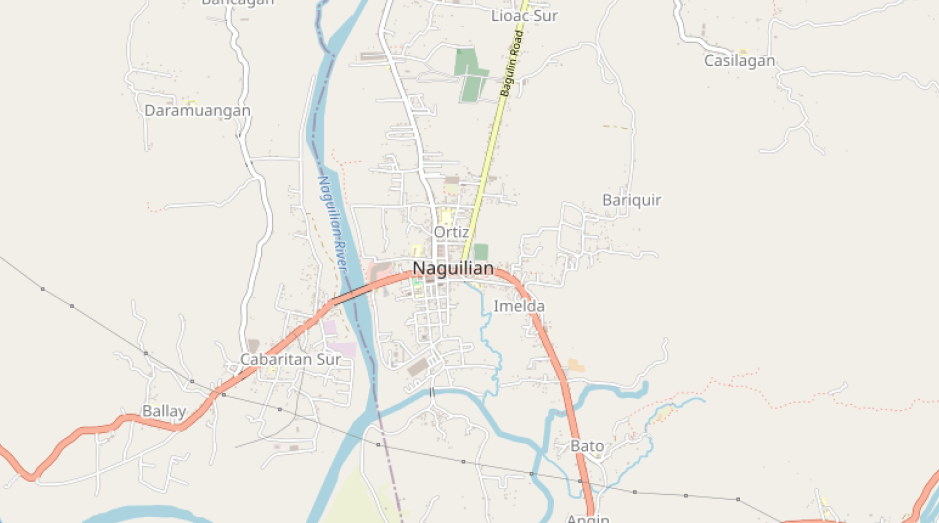
Naguilian, La Union
Built in areas of the towns are generally clustered linearly around the barangay roads. Agricultural land areas are situated in the valleys which are planted with rice, corn, tobacco, sugarcane and other crops. Forest areas command a large portion of land areas. Barangay Casilagan was declared by the Bureau of Forestry as a potential watershed area.
Burgos, La Union
Burgos is a serene town characterized by its agricultural landscape and community-oriented lifestyle. It is named after the martyred priest, Fr. Jose Burgos.
Bagulin, La Union
Bagulin is a remote town surrounded by mountains and lush forests. It is a predominantly agricultural community, where locals engage in farming and handicrafts.
Circuit
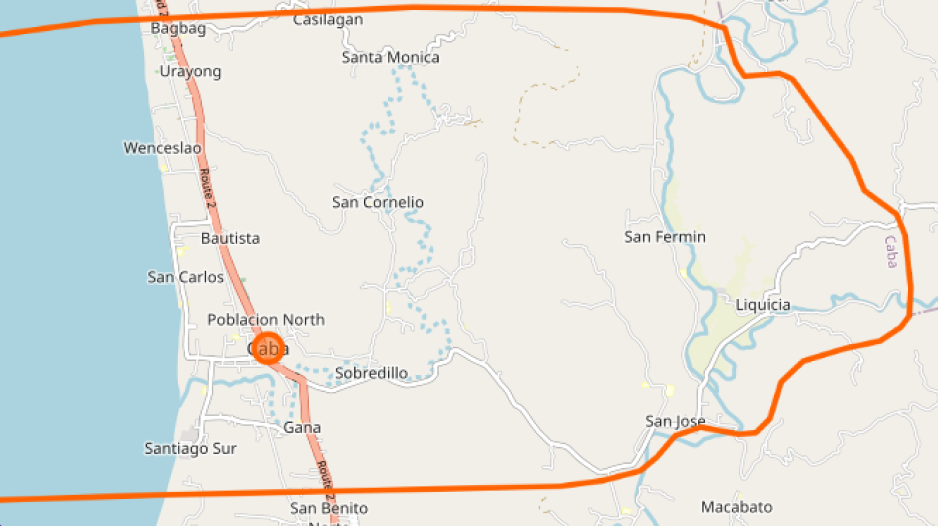
Caba, La Union
History records show that this municipality used three names interchangeably-CABA, CAVA and CAUA. According to a local historian Pedro Manongdo, two tales have persisted on how the town got his name. One group referred to an incident when a Spaniard asked an inhabitant the name of the place.
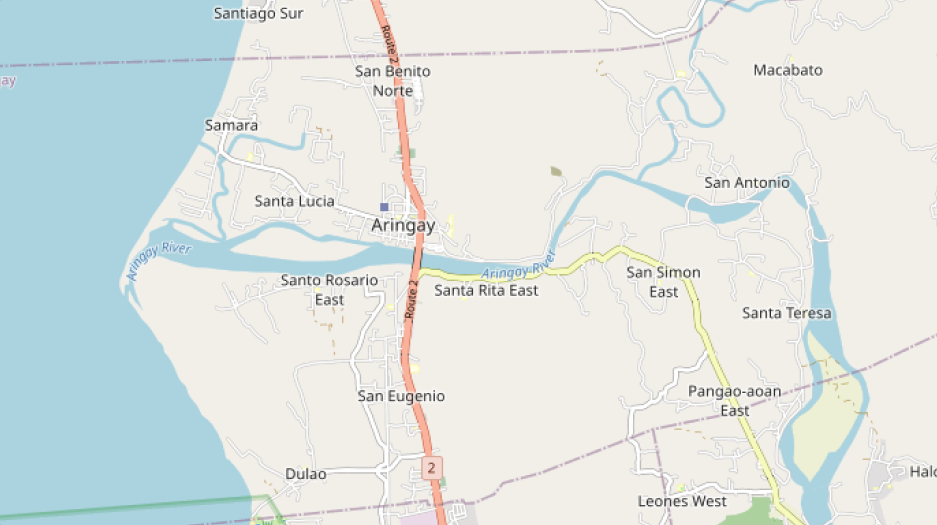
Aringay, La Union
Aringay, then a part of Pangasinan, was created as a municipality in 1741 under the jurisdiction of the Province of Pangasinan and the Bishopric of Nueva Segovia. Don Pablo Vergara was the first Gobernadorcillo. Aringay became a part of the province of La Union when the latter was founded in 1850.
Agoo, La Union
Agoo is a historically rich town and one of the most prominent in La Union. It is known for the Basilica of Our Lady of Charity and the Agoo-Damortis National Seashore Park.
Sto Tomas, La Union
Santo Tomas is recognized for its fertile agricultural lands, producing a significant amount of rice and corn. The town also features beautiful beaches, attracting tourists to its coastal areas.
Circuit

Tubao, La Union
Tubao is another southern town of La Union nestled in the Cordillera Mountains that surfaced in the mid 1880s. Proposed to be carved out of surrounding Agoo and Aringay, Tubao was a barrio in the eastern boundaries.
- Along with eleven other barangays of Agoo (Amallapay, Ambangonan, Anduyan, Boganin, Caquile, Damosil, Dao, Linapio, Macoton, Pugo and San Pascual), it petitioned on March 28, 1873 to be created as a municipality. Five Aringay barrios (Calupaan, Cataguintingan, Cupang, Guinitaban and Pangaoaoan) also joined the mover.
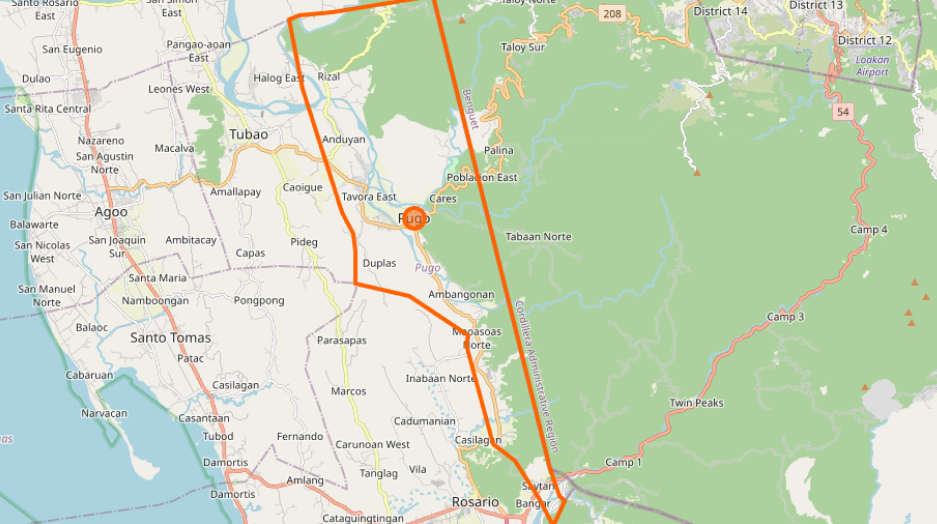
Pugo, La Union
Pugo was organized as a town on January 1, 1912 from the sub-province of Benguet, Mountain Province in accordance with Executive Order No.77 dated December 11, 1911, approved by Governor General S. Cameron Forbes.
Rosario, La Union
Rosario is a bustling town at the southern gateway of La Union. Its strategic location near the Tarlac-Pangasinan-La Union Expressway (TPLEX) has made it a key area for commercial and industrial activities.